01 · Set up first
Shanghai Connect Pick
Alipay 支付宝
Link an eligible overseas card, verify with your passport, and you can pay in shops, taxis, and on the metro the same day.
 Shanghai Connect
上海指南
Shanghai Connect
上海指南
Payments in China
Most day-to-day spending in Shanghai happens through Alipay and WeChat Pay — and both apps work with many eligible foreign bank cards. Here's how to get set up, what it costs, and what to carry as backup.
Updated July 2026 · Reviewed against official Shanghai guidance

Good to know: Payment rules, card support, and fees can change. Always check the final payment screen inside Alipay or WeChat Pay before confirming a transaction.
Shanghai Connect recommendation
Three things to set up, in order. Everything else on this page is detail for when you need it.
Link an eligible overseas card, verify with your passport, and you can pay in shops, taxis, and on the metro the same day.
Add it once Alipay is working. Landlords, schools, and many local businesses run on WeChat, so you'll want it soon anyway.
Keep one foreign bank card and a small amount of RMB on you for the moments an app payment fails.
The basics
Payment goes one of two directions — learn both and you're set for almost everywhere in Shanghai.
The usual way to pay in shops, cafés, and restaurants.
Common at the metro, supermarkets, and busier counters.
Side by side
The easiest first payment app for visitors and new arrivals — shops, taxis, the metro, and a wide range of travel services, without needing a Chinese bank account. Alipay+ publishes an overview of how international visitors can pay in the Chinese mainland with overseas cards.
Matters because WeChat itself is how much of daily life in Shanghai runs — landlords, schools, group chats, and many local businesses expect it.
Our recommendation
Short trip? Alipay may be enough on its own.
Living in Shanghai? Set up both — WeChat Pay becomes essential once landlords, schools, and everyday local life enter the picture.
Step by step
The process for Alipay and WeChat Pay is nearly identical.
Get the app from your home app store before you fly — it's harder to do once you land.
Sign up with a phone number that can reliably receive SMS verification codes.
Complete identity verification for higher limits and fewer payment interruptions.
Link an eligible Visa, Mastercard, or other supported card to start paying.
Money matters
Fees and limits can change — always check the confirmation screen before you pay. As a general guide:
Most everyday purchases — meals, coffee, groceries, metro top-ups — fall under this line.
On the portion of a single transaction above ¥200, depending on the merchant and payment method.
Check your bank's foreign transaction and currency conversion terms before relying on a card.
Worked example
A ¥350 dinner: no extra fee on the first ¥200, and a 3% fee (about ¥4.50) may apply to the remaining ¥150 — roughly ¥354.50 charged, before any fee your card issuer adds.
Good to know
Since a 2024 government update, the single-transaction limit for overseas visitors is around USD 5,000, with an annual cumulative cap near USD 50,000 — plenty for daily life. Confirm large payments such as deposits, tuition, or rent with the merchant in advance.
Set expectations
Treat a foreign card in Alipay or WeChat Pay as a practical spending tool, not a full replacement for a local Chinese bank account.
Getting around

Tap in with the Alipay or WeChat Pay transport QR code at most stations — no separate transit card needed for casual riders.
Pay the driver directly through Alipay or WeChat Pay, or book and pay in one flow through the DiDi app.
Most city buses accept the same transport QR code as the metro — tap it on the reader as you board.
A physical Shanghai Public Transportation Card or a supported contactless bank card works at compatible readers if your phone fails.
For fares, transfers, and rush-hour tips, see our full Shanghai Metro guide.
Plan B
Mobile payment is the default, but keep these ready for the moments it isn't.
If you're staying long-term, opening a local Chinese bank account can unlock more features and make transfers easier — see Shanghai's official banking services guide for what's required.
Quick reference
Check items off as you go — this device will remember your progress.
For the rest of your setup, see the full Shanghai arrival checklist.
When things go wrong
Check that your card supports international online payments, and that the name on your card matches your registered name in the app. Try another card if one is available.
Check roaming, mobile signal, country code, and SMS permissions. If your home number is unreliable in China, use a local SIM or a reliable travel eSIM.
Try turning off your VPN, lowering the payment amount, switching from scan-to-pay to payment-code mode, or using another card.
Ask the merchant if they can scan your payment code instead. Some personal or merchant-specific QR codes may not support foreign-card payments.
Split the payment if the merchant allows it, use another card, pay with a physical card, or confirm whether the merchant accepts foreign-card mobile payments.
Upload your passport details clearly and make sure the information matches your account and card details.
Frequently asked questions
Yes. Many foreigners can use Alipay by linking an eligible overseas bank card and completing identity verification. See our full Alipay guide for foreigners.
Yes. Many foreigners can use WeChat Pay with an eligible overseas card, but some features are limited compared with a local Chinese wallet. Our WeChat Pay guide covers the setup.
No, not for basic merchant payments. However, a Chinese bank account can make life easier if you live in China long term.
Not always. An international number can work if it receives SMS verification codes. A Chinese SIM or reliable eSIM is still helpful.
Set up Alipay first, then WeChat Pay. Alipay is usually easier for new arrivals, while WeChat Pay becomes more important once you start using local services.
Yes. Carry a small amount of RMB cash for emergencies.
Usually not. Person-to-person transfers and red packets are often limited or unavailable with foreign cards.
Do not rely on Apple Pay or Google Pay as your main payment method. Alipay and WeChat Pay are far more widely used for everyday QR-code payments.
Recent updates
China raised mobile payment limits for overseas visitors in 2024, and American Express joined Alipay's system in 2025 for eligible cardholders. PayPal also began connecting with WeChat Pay's merchant network in 2026 for U.S. users, with wider rollout expected — but Alipay and WeChat Pay should still be your main setup for now.
Related guides
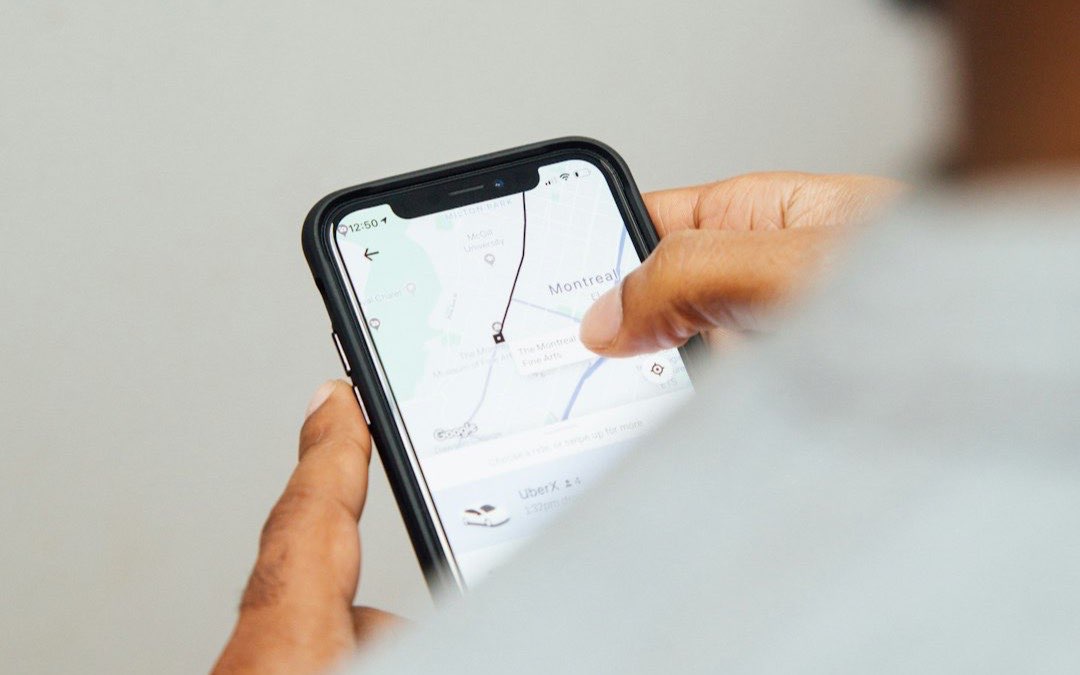
Link your card, verify your passport, and start paying in shops, taxis, and the metro.

Set it up second, and get ready for landlords, schools, and local services.
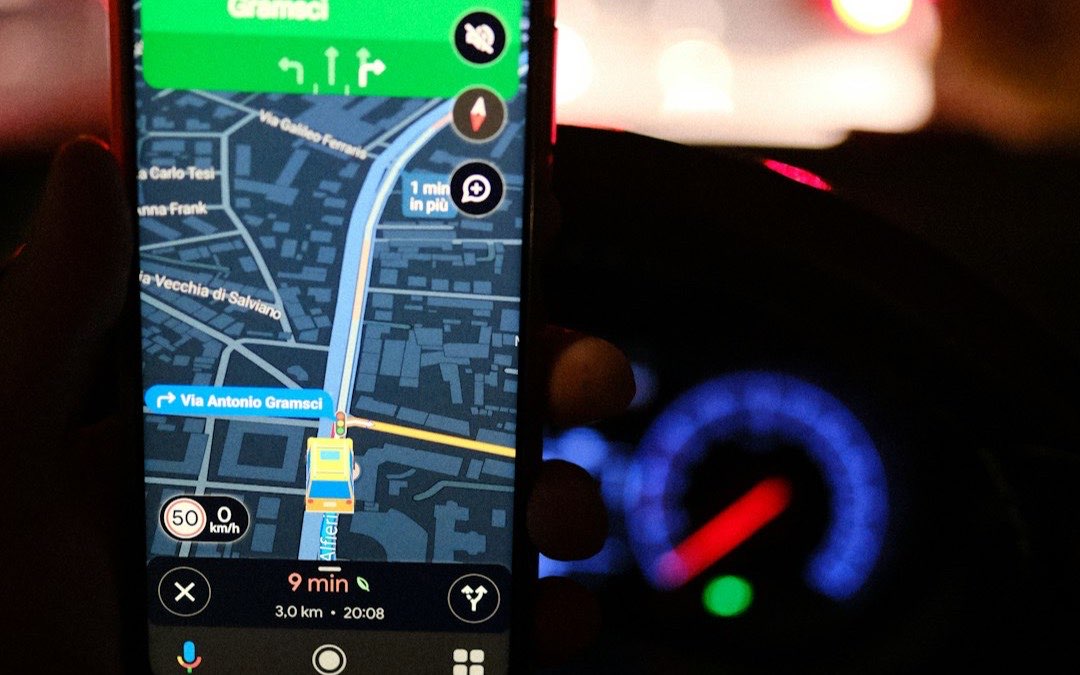
The apps to download before you fly — payments, messaging, maps, and translation.
Fares, transfers, mobile payments, and rush-hour tips for getting around.
Next step
Set up Alipay and WeChat Pay, then work through the rest of your arrival checklist so the basics are handled before day one.