01 · Payments
Alipay 支付宝
The easiest all-round newcomer app: payments, transport QR codes, and mini apps. No Chinese bank account required to start.
 Shanghai Connect
上海指南
Shanghai Connect
上海指南
Apps Guide · Last checked August 2026
You don't need dozens of apps to get started. A handful cover most of what you need: payments, messaging, transport, navigation, translation, and everyday services. Not every popular Chinese app is equally easy for international users — here's which ones are, which work in English, which take a foreign card, and what to skip until later.
Start here
This is the shortlist for someone arriving tomorrow. Everything else in this guide can wait.
The easiest all-round newcomer app: payments, transport QR codes, and mini apps. No Chinese bank account required to start.
How much of China communicates — messages, contacts, landlords, schools, and increasingly payments. Verify your account before you fly.
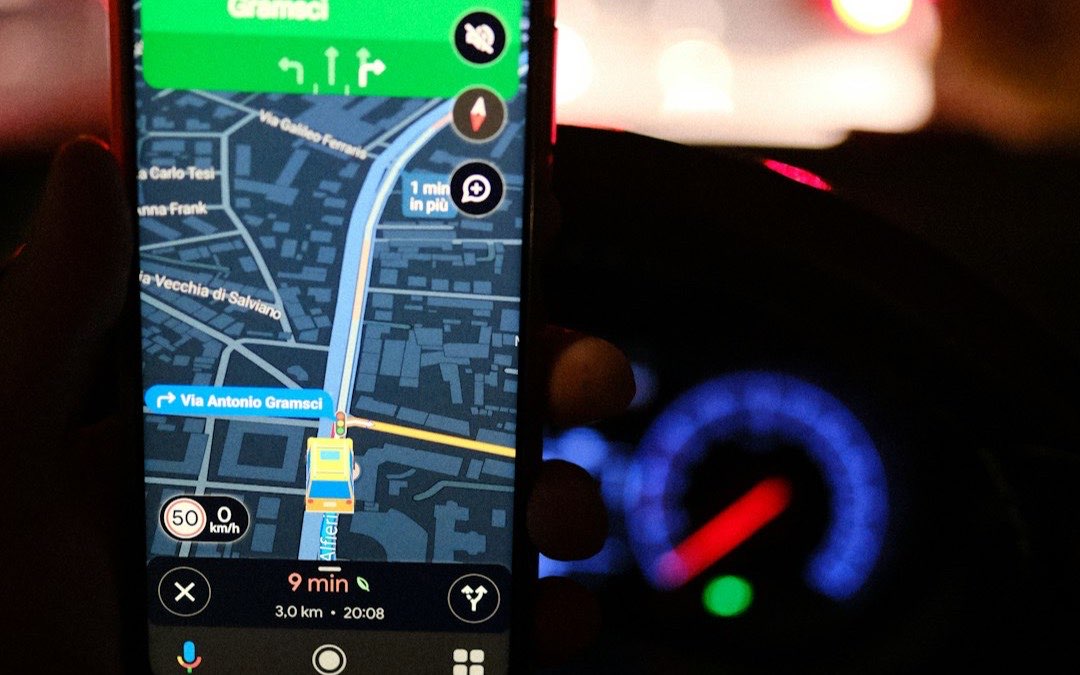
Better than an overseas maps app for Chinese addresses, compound gates, and metro routing. Start here rather than downloading two map apps.
Shanghai's official all-in-one transport app — metro, buses, ferries, and transport QR codes. Use Amap to find the route, SH MaaS to travel it.
Not one app — a combination. Pleco for dictionary lookups, plus a China-accessible photo/voice translator. Google Translate is a backup, not a plan.
Most Western apps and sites — Google, WhatsApp, Instagram, most news sites — are blocked in mainland China. Buy and install a VPN before you fly; providers are hard to reach once you land.
Setup timeline
Install and verify these before you leave — some verification steps are easier with a stable home connection.
Add these once you're on the ground and need to get around.
Delivery apps need a real, detailed address to work properly.
Add these once your basics are working and you're exploring more.
Verify Alipay and WeChat, and add your international card where supported.
Arrange your VPN before entering mainland China — not after.
Include offline dictionary data so menus and signs work without signal.
Keep Chinese text and screenshots for your hotel, home, workplace, and school.
Verification codes are a real problem if you later lose access to that number.
Take it with you
The two-page version of this guide for your phone, flight, or arrival day.
No email required.
Payments & communication
WeChat is how much of China communicates — messages, contacts, schools, landlords, businesses, mini programs, and increasingly payments. Verify your account before you land; it's easier with a stable connection and a contact who already uses WeChat. International cards cover many payments, but transfers and red packets usually need a Chinese bank card.
The easiest all-round newcomer app — shop and restaurant payments, transport QR codes, and a wide range of city-service mini apps. No Chinese bank account needed to start. Link a supported overseas card and verify with your passport before you arrive to avoid interruptions and raise your limits. Full setup: Alipay guide · mobile payments guide.
Communication, contacts, groups, mini programs, social ecosystem.
Payments, transport, city services, newcomer setup.
Good to know
Yes — get both. Both support international cards for many everyday payments, but some functions restricted to Chinese-bank-account holders won't be available. They overlap, but they are not interchangeable.
Getting around
You want English navigation and the easiest starting point for international users.
You're comfortable with more Chinese and want a second comprehensive local map.
Our pick
Start with Amap. Most newcomers do not need both.
The primary mapping pick for newcomers — better than an overseas maps app for Chinese addresses, compound entrances, walking routes, and metro journeys, with English-language navigation.
Shanghai's official all-in-one transport app — metro, buses, ferries, transport QR codes, and passes, with English options in the core booking flow. Use Amap to find the route, SH MaaS to travel it. Full detail: Metro guide · getting around Shanghai.
MetroMan still works as a lighter, optional route planner for line names and last-train times.
English-language functionality lets you enter a destination directly, instead of explaining an address to a driver out loud. Full guide: DiDi and airport transfers.
Don't need another app?
DiDi can also be accessed through the wider WeChat / Alipay ecosystem. Download the standalone app only if you use taxis often or prefer a dedicated interface.
Shanghai tip
Save your home, hotel, and workplace addresses in Chinese before your first DiDi ride. Drivers sometimes call when they arrive.
Don't rely on a single app. Use Pleco as a proper Chinese dictionary — words, characters, menus, signs — paired with Baidu Translate or another China-accessible photo/voice translator. Keep Google Translate as an offline backup only; normal online Google functionality isn't guaranteed on a standard mainland China connection.
Food & everyday life
Meals, groceries, drinks, convenience items, and rapid local delivery. The same detailed-address rule as Meituan applies.
Restaurant discovery, local reviews, photos, and deals — genuinely useful once you start exploring your neighbourhood. Worth downloading day one? No. Once you live here? Yes.
Shanghai tip
Your delivery address needs more than your compound name. Include:
Good to know
Older guides may still refer to Ele.me — its services have moved into Taobao Flash Shopping's branding. You don't need both Meituan and Taobao Flash Shopping immediately; start with one.
Shopping
Skip for now
You don't need Taobao on arrival day. Wait until digital payments, a reliable Chinese address, a working phone number, and some translation-tool confidence are all in place — it's far easier to navigate once those basics are set.
Travel beyond Shanghai
China's official railway booking platform. Foreign travellers can register with passport details and book trains directly, without a booking-fee markup. Search "铁路12306" or "Railway 12306" in your app store.
Convenience and English support matter most.
You're comfortable booking directly through China's official system.
Good to know
You don't need both immediately.
New / worth knowing
Nihao China bundles payments, transport, and travel features for international visitors — useful for short stays. If you're actually living in Shanghai, WeChat and Alipay still matter far more.
Newcomer rules
None of these are about any single app — they're about how you set the others up.
Keep your payment, travel, delivery, and transport accounts connected to a number you can reliably access — verification codes get complicated fast otherwise.
Save your important locations as copyable Chinese text and as screenshots. Don't rely entirely on English place names.
WeChat and Alipay's mini-program ecosystem already gives you access to many services. You rarely need the standalone version of everything right away.
Quick answer
Start with Alipay, WeChat, Amap, SH MaaS, a reliable translation setup, and a VPN. Add Meituan once you know your delivery address. Add Taobao once you're comfortable shopping locally. Add Trip.com or 12306 when you start travelling around China. Everything else can wait.
Frequently asked questions
Yes. Use WeChat for communication, contacts, and groups. Use Alipay for payments, transport, and city services. They overlap, but they are not interchangeable.
Not necessarily. Ride-hailing is also available inside Alipay and WeChat. Download the standalone DiDi app only if you use taxis often or prefer a dedicated interface.
Start with Amap. It's the more international-user-friendly option and covers Chinese addresses, metro routing, and walking directions well. Add Baidu Maps later only if you want a second option.
No, not immediately. Start with one for food and convenience delivery, then add the other later if you want more choice.
Wait until your payments, address, and phone number are working reliably, and you have some confidence using translation tools.
Start with Trip.com if English support and convenience matter most. Use 12306 once you're comfortable booking directly through China's official railway system.
It can be useful for short visits, since it bundles payments, transport, and travel features for international users. If you're living in Shanghai, WeChat and Alipay matter far more.
Downloading a standalone app for every service. WeChat and Alipay already give access to many services through mini programs, so you rarely need the separate app right away.
Last checked: August 2026. Recommendations are reviewed against current official Shanghai guidance and updated as services change.
Next step
Set up payments, apps, and transport with the Shanghai starter guides, then explore neighbourhoods and daily life at your own pace.